
Executive summary
The goal is not to promise that every price will return to 2019. It is to prevent avoidable local cost increases, lower selected essential costs where the evidence supports it and make household income grow faster than essential expenses. Those are different policy jobs. A lower inflation rate is progress, but it does not by itself restore affordability.
Saint Lucia is unusually exposed to imported prices. IMF analysis reports that goods imports have averaged more than 32% of GDP since 2000 and that all cereals are imported. Its model finds that a positive shock to United States producer prices reaches Saint Lucia's import prices within one quarter and adds about 0.2 percentage points to CPI inflation in the short term. The EC dollar is fixed to the United States dollar and monetary policy is regional. National policy therefore has to work mainly through supply, productivity, competition, fiscal discipline and targeted relief.
The controllable part is the local cost stack: food destroyed before sale; time, storage and finance accumulated between a ship and a shelf; imported fuel and avoidable energy use; fragmented government purchasing, weak maintenance, idle stock and slow payment. Lowering those real resource costs can make an acre, container-hour, kilowatt and public dollar produce more value. A tax waiver or subsidy can lower a bill temporarily, but it does not by itself remove any of those costs.
Saint Lucia is not starting from zero. Government has procured work on a National Electronic Single Window, Parliament has authorised financing connected to port digitalisation and efficient public buildings, the Agriculture Ministry reports a completed Odsan packhouse, and procurement law already allows bulk and framework purchasing. SLPA proposes turning these initiatives into one measurable compact with a 90-day baseline, four time-limited pilots and a public scale, redesign or stop decision after twelve months.
Relief still matters. A household cannot wait a year for a port or energy reform. Temporary assistance should be targeted, funded, capped and given an expiry rule. Consumer Affairs should then test whether documented tax or cost savings reached consumers. Relief is the bridge. Productivity is the treatment.
Prepared from official Saint Lucia, ECCB, IMF, Caribbean Development Bank and World Bank records reviewed through 16 August 2026. The brief distinguishes current initiatives and observed data from SLPA targets, proposed deadlines and unresolved implementation evidence.
Import exposure, 2025 production and electricity data, procurement rules and announced projects are sourced facts. Pilot targets, delivery clocks and scale-or-stop rules are SLPA proposals, not Government commitments or forecasts.
Key findings
Much of the first price shock arrives from abroad.
Saint Lucia cannot control world food, fuel, freight or United States manufactured-goods prices. The import share and the fixed exchange-rate system make external pass-through a central constraint. Fiscal policy should avoid adding excessive domestic pressure, but it cannot reverse a world commodity shock on command.
Evidence-led finding · Source 01, Source 02A lower bill is not always a lower underlying cost.
A duty waiver, broad subsidy, price cap or cheap loan may provide defensible relief. Unless it reduces labour, fuel, time, materials, loss or risk per unit, it mainly changes who pays. Every relief measure should therefore publish its fiscal cost, household reach, observed pass-through and expiry date.
Evidence-led finding · Source 03, Source 08Food policy should reward competitive output, not local output at any price.
Preliminary official data show that non-banana output and supermarket purchases rose in 2025, with packaged produce and purchasing contracts among the reported factors. The next test is crop-specific: saleable kilograms per acre, cost per saleable kilogram, loss before sale and order-fill reliability. Support should scale only where delivered quality and cost can compete.
Evidence-led finding · Source 04, Source 05Port time becomes shelf cost.
The Caribbean Development Bank study identifies inefficient border processes, long container dwell time and cargo-handling constraints. Delay can add storage, demurrage, spoilage, financing and repeated truck trips. A digital portal is useful only if median and worst-case release times, documents and EC dollars fall.
Evidence-led finding · Source 06, Source 07Energy reform must lower reliable lifetime cost.
Preliminary 2025 data record 456.8 million kWh generated and 8.5% used internally or lost in transmission. Not all of that is avoidable. Competitive renewable procurement, verified public-building retrofits and feeder-level loss work should be judged by lifetime EC cents per reliable kWh and energy used per unit of service or output.
Evidence-led finding · Source 04, Source 10, Source 11Government can finance part of the plan by buying and maintaining better.
The official Procurement Manual says procurement represents 15% to 20% of government expenditure and calls for actual contract performance records. Existing law allows bulk and framework purchasing. Unit-price comparisons, total-cost evaluation, inventory reuse and prompt payment can recover resources without an across-the-board service cut.
Evidence-led finding · Source 09, Source 12Finance the treatment without creating a new inflation or debt problem.
Use current agriculture, trade, port and energy programmes before adding a new project. Fund baseline work through existing agency budgets and approved technical assistance. Put any new targeted relief inside an appropriation with a cap and expiry. Recycle procurement savings only after delivered, quality-adjusted savings are verified; do not borrow for a permanent blanket subsidy.
Evidence-led finding · Source 01, Source 09, Source 10The policy test
A measure counts as cost reduction only when it changes the real cost chain.
Before approving a subsidy, project, waiver or new programme, Cabinet and Parliament should ask four questions in public.ResourcesLessWhat real input falls?
Name the hours, spoilage, fuel, electricity, trips, documents, financing days, rework or inventory that the measure will reduce.
OutputMoreWhat useful output rises?
Name the saleable kilograms, released containers, reliable service units, completed deliveries or public-service results produced from the same inputs.
ConsumerVisibleWho receives the gain?
Show how lower cost reaches a shelf price, bill, fare, service level, business price or real household income without assuming automatic pass-through.
BudgetBoundedWho pays and when does it end?
State the funding source, maximum exposure, delivery owner, review date and expiry rule. Do not call a permanent unfunded transfer an efficiency gain.
Decision ruleIf a measure does not reduce a verified unit cost, improve quality or reliability, protect a clearly defined vulnerable group, or prevent a larger fiscal loss, redesign it or do not renew it.
SLPA National Pulse · Evidence instrument
Key indicators for this topic.
Period, method and source remain attached to every value.Annual inflation
Gasoline and diesel price
Twelve-month performance gates
Each pilot must beat its own verified baseline before it scales.
minimum improvement from verified baselineSLPA proposed central test targets after a 90-day baseline. They are not forecasts. Technical review may reset a target before procurement, but not after results are known.
Use this data
Copy the visible figures or download them with the unit, claim label and method note attached.
SLPA policy proposal
Saint Lucia Cost and Productivity Compact
Lower the local cost added to essentials and increase useful output from each acre, container-hour, kilowatt and public dollar. Protect vulnerable households during the transition without weakening the fiscal room needed to fund the reforms.
Competitive food productivity
Select five high-spend perishables using import volume, agronomy, buyer demand and delivered cost. Tie irrigation, extension, crates, packhouse service and buyer contracts to saleable yield, cost per kilogram, spoilage and order-fill performance.
Faster, cheaper freight release
Complete a Time Release Study, use pre-arrival processing and risk-based inspection, connect digital release to container appointments and publish median and 90th-percentile hours, storage days and EC dollars from arrival to exit.
Lower-cost energy services
Procure renewables and storage on transparent lifetime cost, retrofit audited public buildings with savings guarantees and target feeder losses only where recoverable kWh cost less than the remedy. Track reliable cost per kWh and kWh per service unit.
Public purchasing and waste control
Build a spend cube for the top repeat categories, run framework competitions, compare total ownership cost, reuse serviceable inventory and publish delivery and invoice-payment performance. Count only realised, volume-and-quality-adjusted savings.
Competition, pass-through and targeted protection
Publish landed-to-shelf evidence for relieved essentials, study concentrated markets without presuming misconduct and simplify entry where safe. Keep shock relief targeted, temporary, appropriated, capped and subject to a published renewal or expiry test.
Delivery sequence
Set one cost-reduction mandate and name the records
- Cabinet assigns Finance and Economic Planning to chair a Cost and Productivity Delivery Table with Commerce, Agriculture, Customs, SLASPA, Public Service, Energy, NURC, LUCELEC and the Procurement Administration Unit.
- Publish one project sheet for each pilot naming the cost chain, current initiative, accountable officer, funding source, legal power, data owner, baseline method and decision date.
- Reconfirm the current award and implementation status of the Single Window, port digitalisation work, Odsan packhouse operations and first public-building retrofit batch.
- Freeze new claims of savings unless the claim states the comparison price, quantity and quality adjustment, period, fiscal cost and pass-through method.
Publish the baselines and contract four pilots
- Agriculture and the Marketing Board publish farm-gate, transport, packhouse and retail loss and cost baselines for five competitive perishables, then sign rolling buyer forecasts and performance agreements.
- Customs and SLASPA complete a Time Release Study with median and 90th-percentile hours by commodity, risk channel and stage, including storage, demurrage and repeat truck trips.
- Energy agencies publish the first audited public-building batch, feeder-loss screen and lifecycle comparison for each proposed renewable or efficiency investment.
- Finance publishes a spend cube for the top 20 repeat procurement categories and launches the first framework competitions with benchmark unit prices and total-cost rules.
- Equity and Consumer Affairs publish the current relief list with household group, product, fiscal cost, observed price effect, expiry and the evidence needed for renewal.
Run, verify and decide
- Operate shared crates, scheduled cold runs and Odsan packhouse slots for the selected crops; publish monthly throughput, rejection, cost and fulfilled orders.
- Pilot pre-arrival checks, a compliant-trader green lane, electronic release, gate appointments and demand-based extended clearance slots without weakening food or border safety.
- Complete the first performance-guaranteed building retrofits and feeder remedies, then verify savings against weather, occupancy, service and production changes.
- Publish framework purchase orders, bidders, delivered unit cost, delivery time, defects, invoice-to-payment days and realised savings against the fixed baseline.
- At month twelve, independently review each pilot and publish one decision: scale, redesign with a new test, or stop.
Scale only the mechanisms that lower durable cost
- Expand crop, logistics, energy and procurement measures only where verified savings exceed operating and financing cost while quality and access are maintained.
- Integrate proven Single Window and port workflows across border agencies with published service clocks and a safe correction route.
- Move broad relief toward the shock-ready Household Resilience System only after that channel passes reach, timeliness, security, appeal and fiscal tests.
- Publish an annual Cost and Productivity Account showing gross savings, programme cost, net savings, household pass-through, distribution and measures ended for weak performance.
Responsible institutionsThe plan uses existing mandates and gives every cost chain a lead owner.Institutional names assign delivery responsibility, not blame. Current portfolios, procurement awards and operational officers should be reconfirmed before adoption.6 owners
Set the common baseline rules, publish gross and net savings, protect fiscal limits and bring the scale, redesign or stop decision to Cabinet.
Select competitive crops, join production to buyer demand and publish saleable yield, cost, loss, packhouse throughput and order-fill results.
Deliver process reform and publish each stage of arrival, permit, inspection, release and exit without weakening lawful border controls.
Test lifetime generation, grid and efficiency costs and verify reliable kWh saved or displaced before an investment is described as cheaper.
Aggregate suitable demand, link contracts to delivery and payment, and publish quality-adjusted unit prices, lifecycle cost and actual savings.
Test markets and price transmission, report relief cost and reach, refer substantiated conduct and connect eligible households to bounded support.
The Central Statistical Office remains independent and owns official price statistics. The Compact may request data and publish policy calculations, but it may not direct a statistical result.
Public accountabilityMeasures for public accountabilityQuarterly operating signals and one independently reviewed annual outcome report.6 measures
Tests whether support creates reliable, competitive food supply rather than counting acreage, inputs or training alone.
Separates the delay by stage and converts digitalisation into a time and money result.
Prevents installed capacity or equipment purchases from being mistaken for a lower energy cost.
Measures realised value and supplier financing cost across the full contract, not the announced award alone.
Keeps temporary protection visible, bounded and separate from structural cost reduction.
Keeps household purchasing power as the final test even when headline CPI and sector costs move differently.
04Limits, uncertainty & sources8 limits · 12 sources
Limits of this analysis
- SLPA's published inflation paper measures price-level persistence and synthetic division attribution. It does not identify the causal contribution of freight, energy, taxes, wages, margins or policy.
- The IMF pass-through result is a modelled response to a United States producer-price shock, not a forecast for a particular month or product in Saint Lucia.
- The 12-month pilot gates are SLPA proposed central targets. The 90-day baseline and technical review must establish feasibility before contracting, and the target cannot be rewritten after results are observed.
- Local production is not automatically cheaper. Food support should pass delivered-cost, quality, reliability, climate and environmental tests before it scales.
- The 8.5% electricity figure combines internal use and transmission loss. Some technical loss and internal use are necessary, so the plan does not treat the whole share as recoverable.
- Market concentration is not proof of collusion or excessive pricing. Competition action requires a lawful market study and evidence, with affected firms given due process.
- Tax and duty relief can lower a consumer price even when it does not reduce the underlying resource cost. The plan evaluates that relief as a transparent, funded transfer rather than dismissing it.
- Several initiatives are recorded at procurement, financing or reported-completion stage. Current contracts, disbursement, operations and results must be verified before implementation claims are updated.
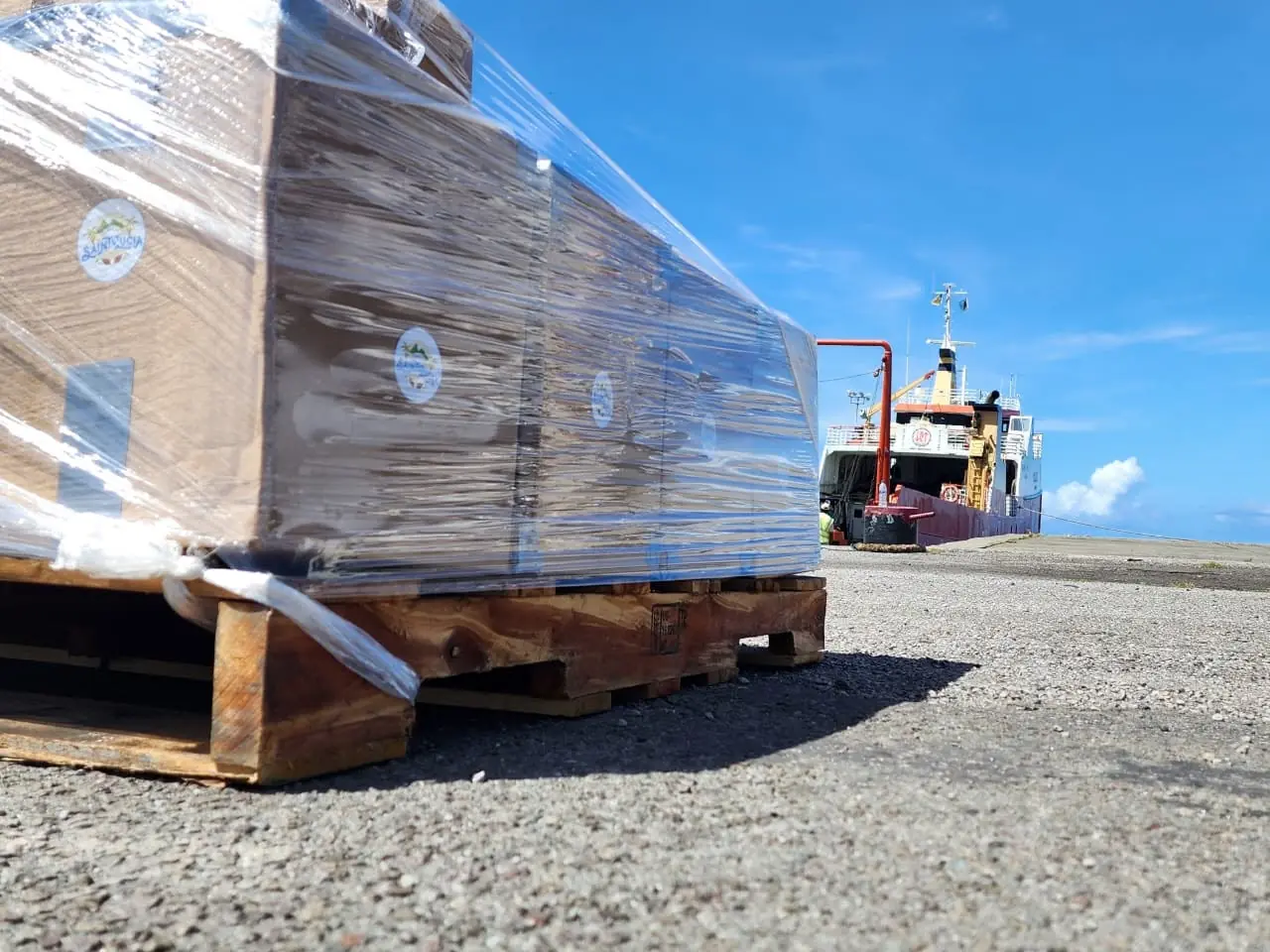
Photographs identify place and activity. Findings come from the cited records.